- Home
- Destinations
- Inca trail Hikes
- Payments with card
- Peru Packages
- Machu Picchu Tours
- Peru Tours

from $ USD






This isn’t your average trek, you know? There’s this one tour operator that has created their own unique route, so you get to do the Lares Trek to Machu Picchu in a way that’s completely off the beaten path. It’s truly a special itinerary, unlike anything else out there. They made sure the trek is both scenic and cultural. The Lares Valley itself is located at an altitude of approximately 3,200 m (10,500 ft), and the views are just incredible.
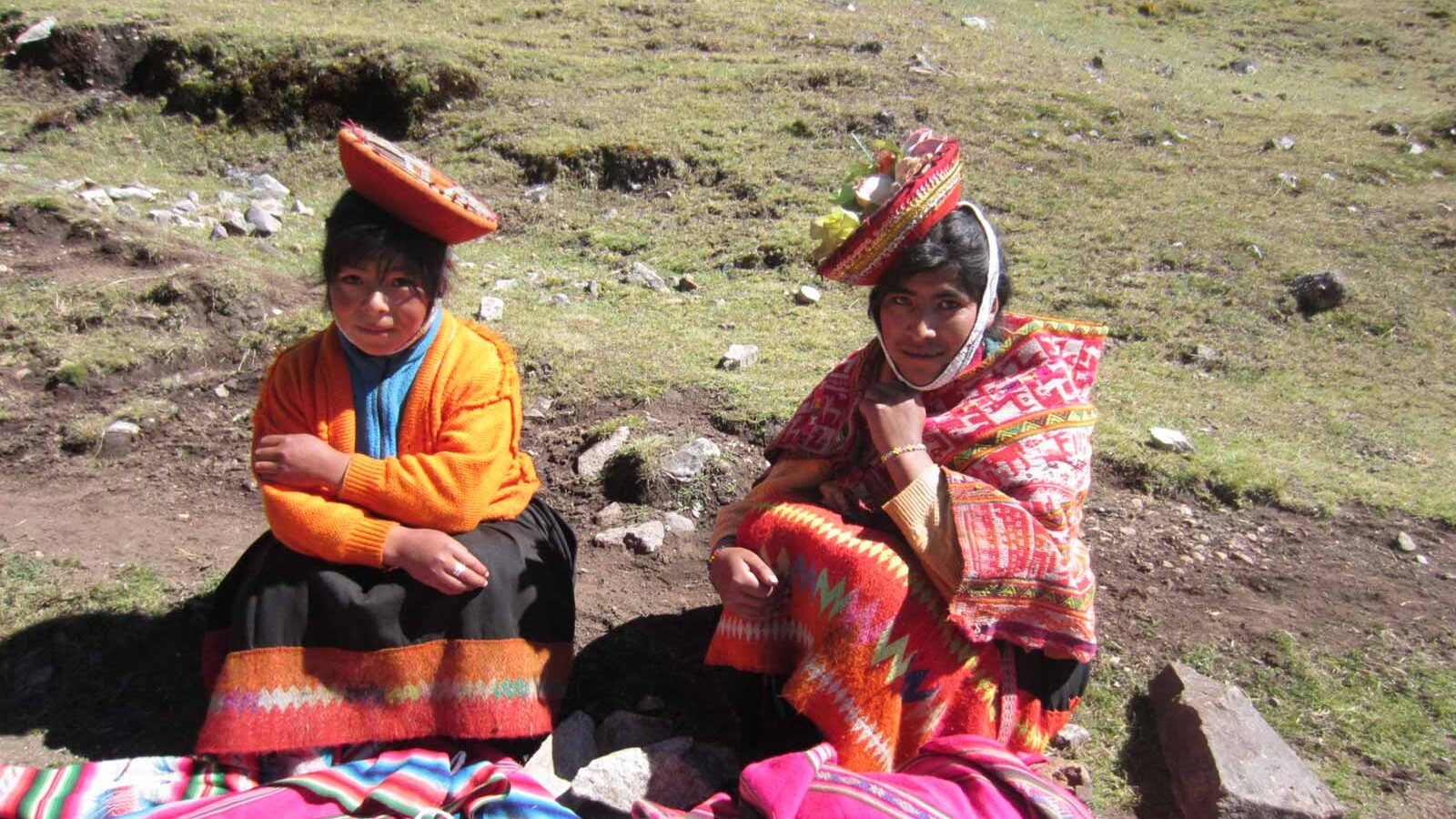
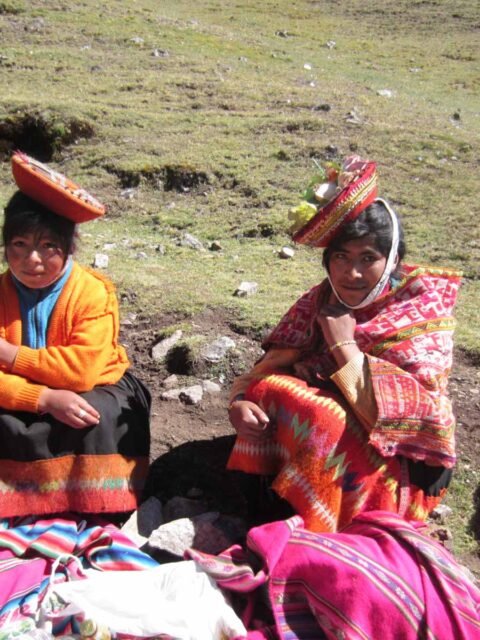
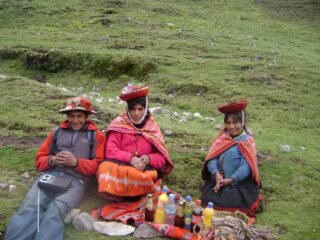
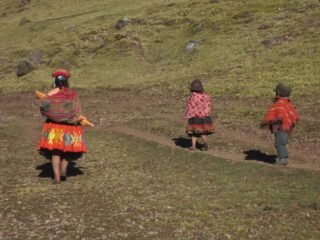
While you’re hiking, you pass through these really isolated indigenous-communities. It’s a privilege to see how they’ve kept the ancient Inca-culture alive. And get this: you actually have the chance to interact with them. It’s not just a quick pass-by; it’s a real experience. You get to meet people and hear their stories, which is what travel is all about.
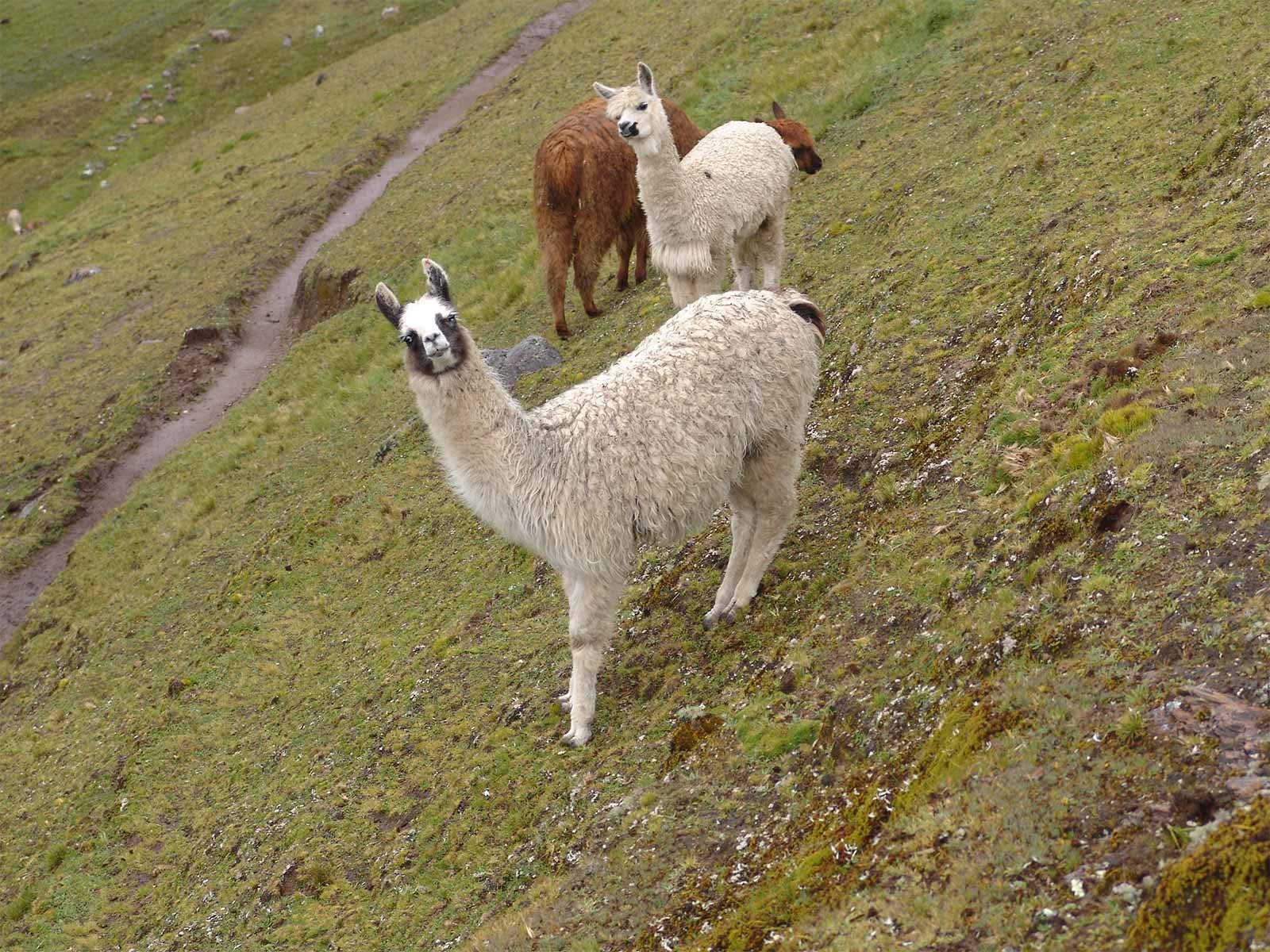
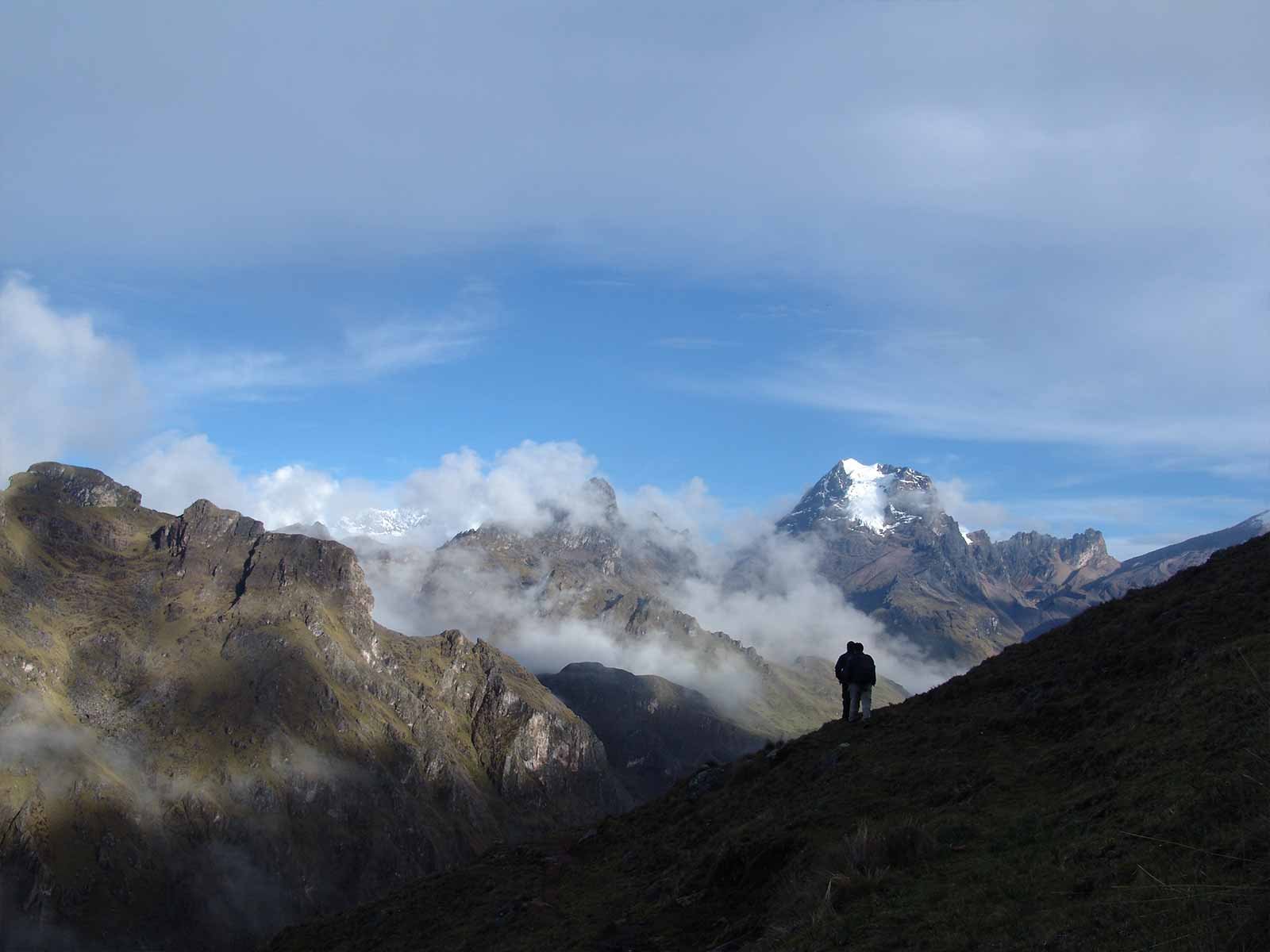
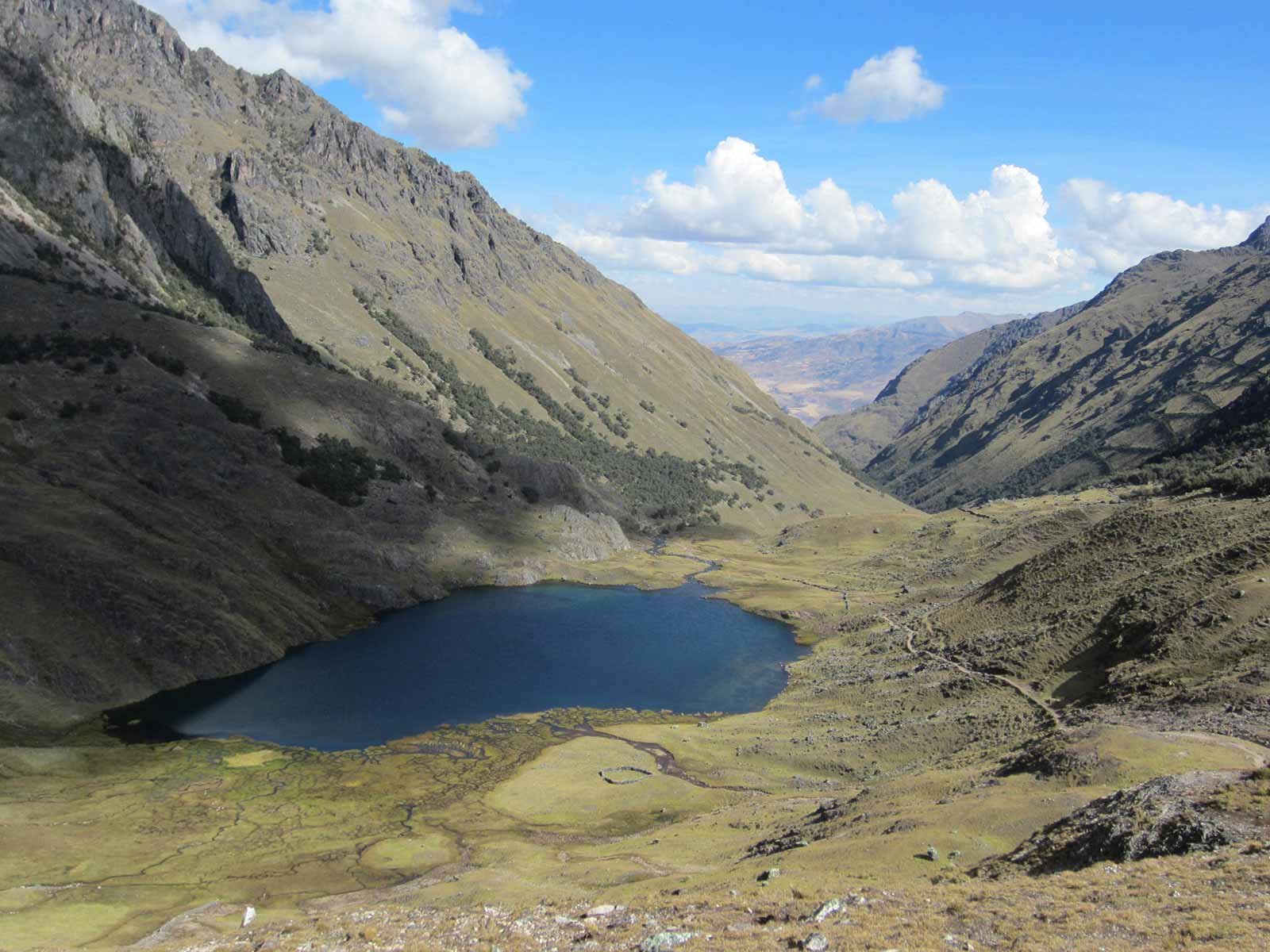
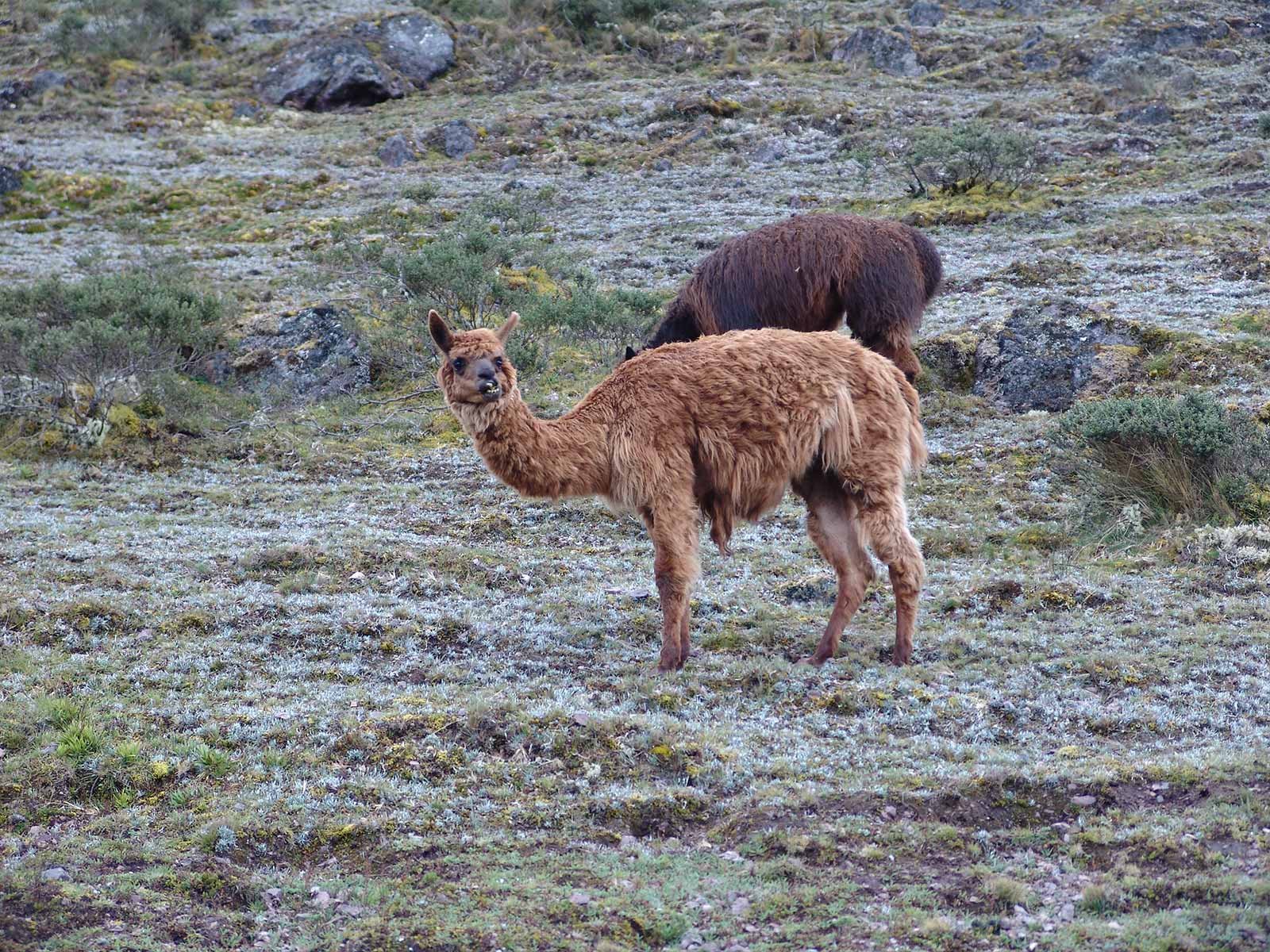
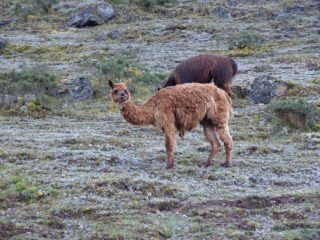
Seriously, the route is so beautiful. You get to see some huge glaciers and these amazing blue glacial lakes. There are even waterfalls. And of course, you’ll be sharing the trail with herds of llamas and alpacas. It’s all so picturesque, you won’t believe it.
Just a heads-up, if you go with the 3-day Lares Trek, you don’t actually get to visit the famous Lares Hot Springs. It’s just a time thing, I guess. The only way you can check out the hot springs is if you choose to do the 4-day version of the trek. So, you know, something to keep in mind when you’re planning your trip to Machu Picchu (2,430 m / 7,972 ft).
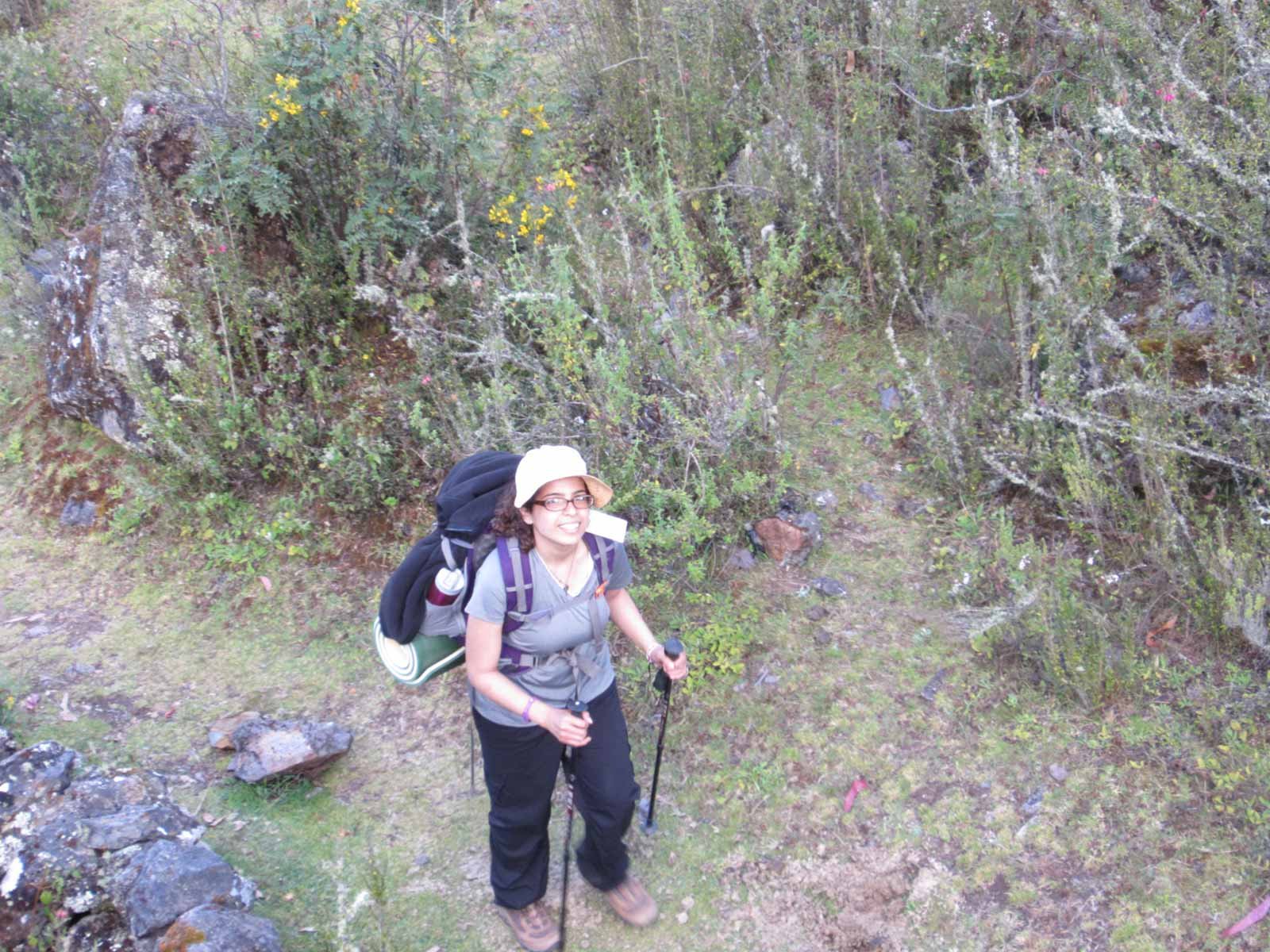
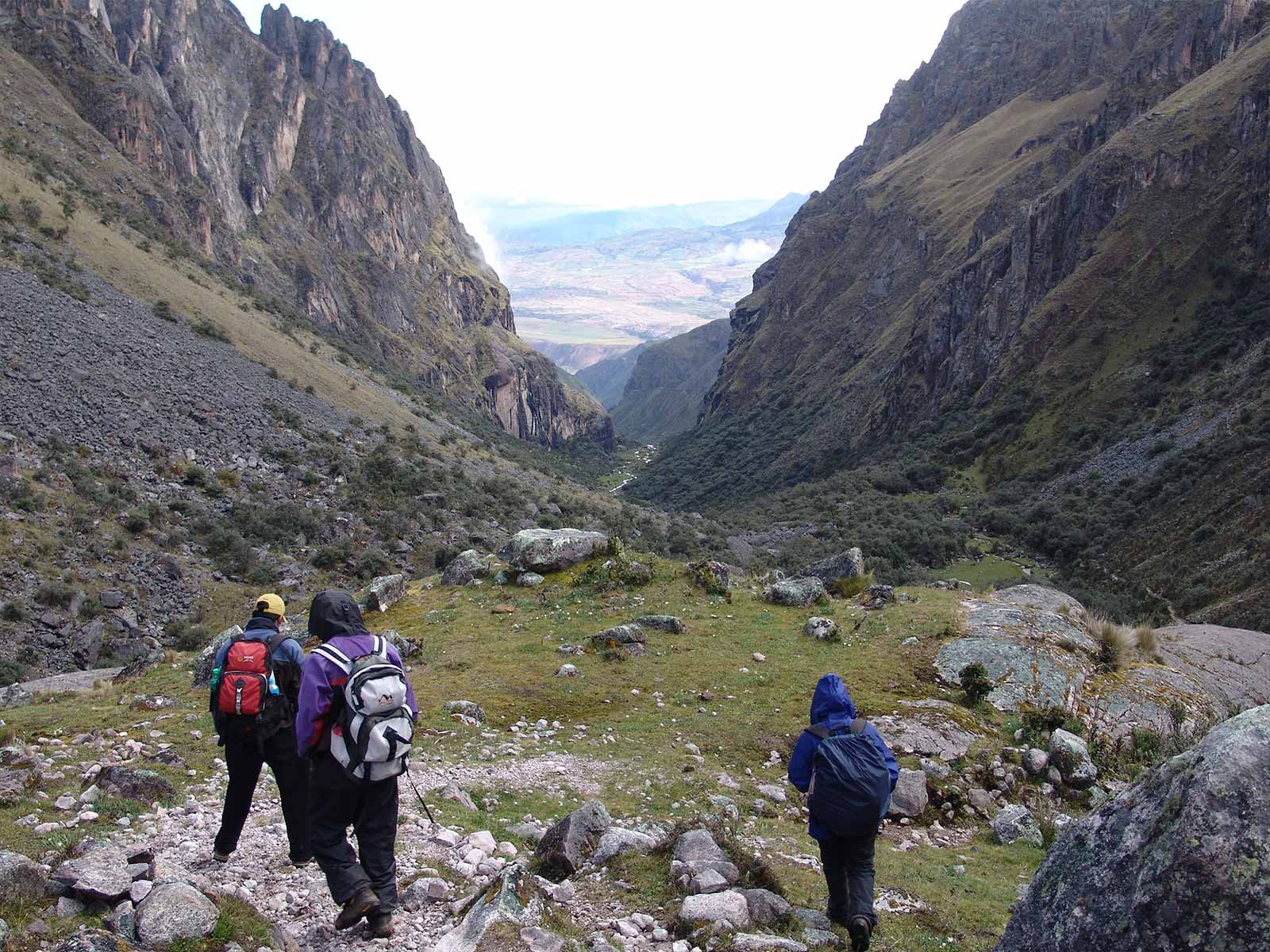
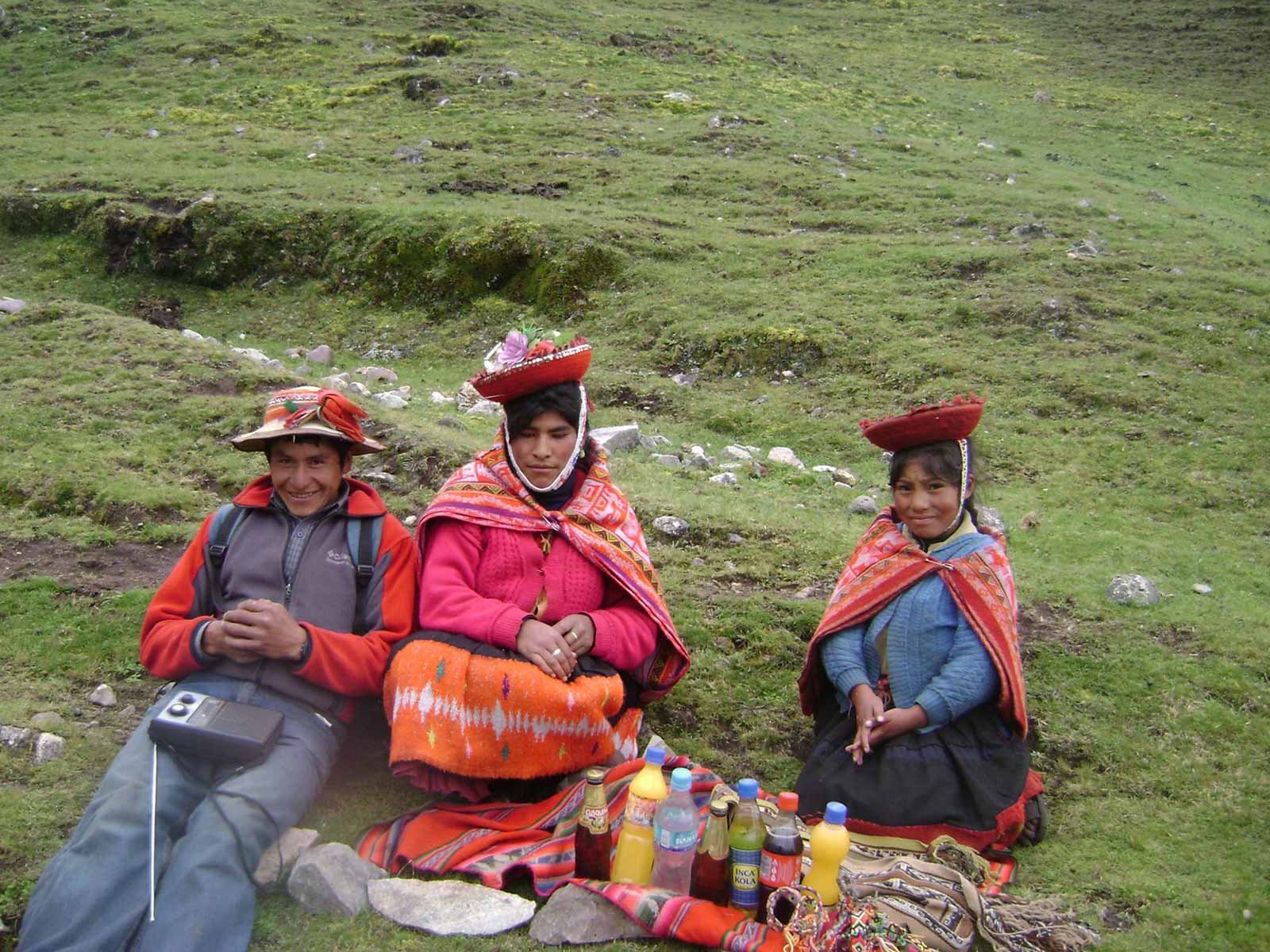
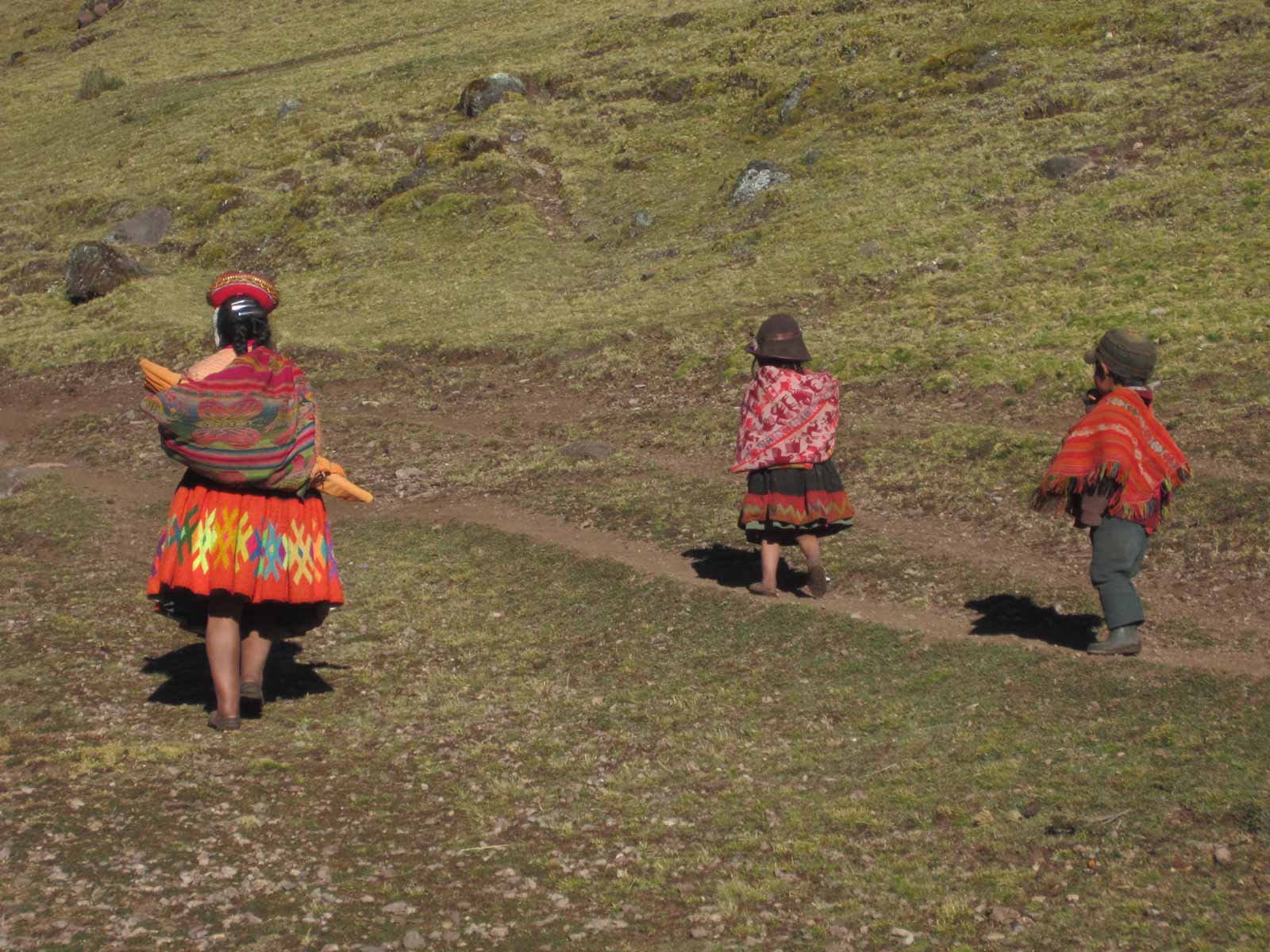
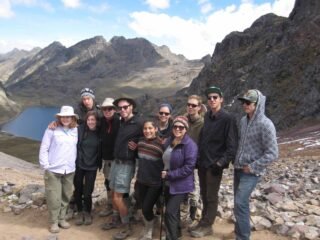
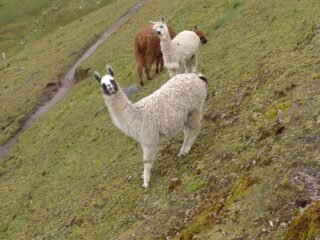
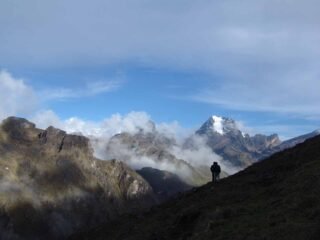
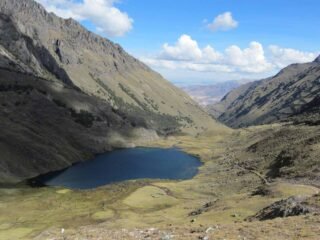
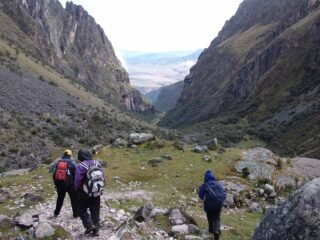
This isn’t your average trek, you know? There’s this one tour operator that has created their own unique route, so you get to do the Lares Trek to Machu Picchu in a way that’s completely off the beaten path. It’s truly a special itinerary, unlike anything else out there. They made sure the trek is both scenic and cultural. The Lares Valley itself is located at an altitude of approximately 3,200 m (10,500 ft), and the views are just incredible.
While you’re hiking, you pass through these really isolated indigenous-communities. It’s a privilege to see how they’ve kept the ancient Inca-culture alive. And get this: you actually have the chance to interact with them. It’s not just a quick pass-by; it’s a real experience. You get to meet people and hear their stories, which is what travel is all about.
Seriously, the route is so beautiful. You get to see some huge glaciers and these amazing blue glacial lakes. There are even waterfalls. And of course, you’ll be sharing the trail with herds of llamas and alpacas. It’s all so picturesque, you won’t believe it.
Just a heads-up, if you go with the 3-day Lares Trek, you don’t actually get to visit the famous Lares Hot Springs. It’s just a time thing, I guess. The only way you can check out the hot springs is if you choose to do the 4-day version of the trek. So, you know, something to keep in mind when you’re planning your trip to Machu Picchu (2,430 m / 7,972 ft).
Some quick example text to build on the card title and make up the bulk of the card's content.
Some quick example text to build on the card title and make up the bulk of the card's content.
Some quick example text to build on the card title and make up the bulk of the card's content.
Some quick example text to build on the card title and make up the bulk of the card's content.
So, the Lares Valley adventure really starts early. I mean, a 5:00 a.m. pickup from your hotel in Cusco. From there, we drive to this place called Huaran (2,900 m / 9,514 ft), where we’ll meet up with the horsemen and the horses. It’s time to lace up the boots, get ready, and start the first part of the hike. It’s about a 3-hour gradual climb, which, you know, is a good way to ease into it.
On our way, we’ll stop for lunch right next to a river. The trekking chef prepares this whole delicious meal for us. It’s perfect for getting your energy back up for the rest of the day. The whole first leg of the trip is an adventure in itself.
Our destination for the night is Cancha Cancha (3,900 m / 12,800 ft), and wow. It’s one of those communities that’s really isolated and has kept its traditions going for hundreds of years. There’s no road to get there, and they just got electricity back in December 2019. It’s a different world. After we set up our tents and have some afternoon tea, we get to go visit a local family. The guide helps us talk to them, so we can learn what life is like there. After dinner, the guide shows us all the Inca constellations. They’re still so important for farming even now.
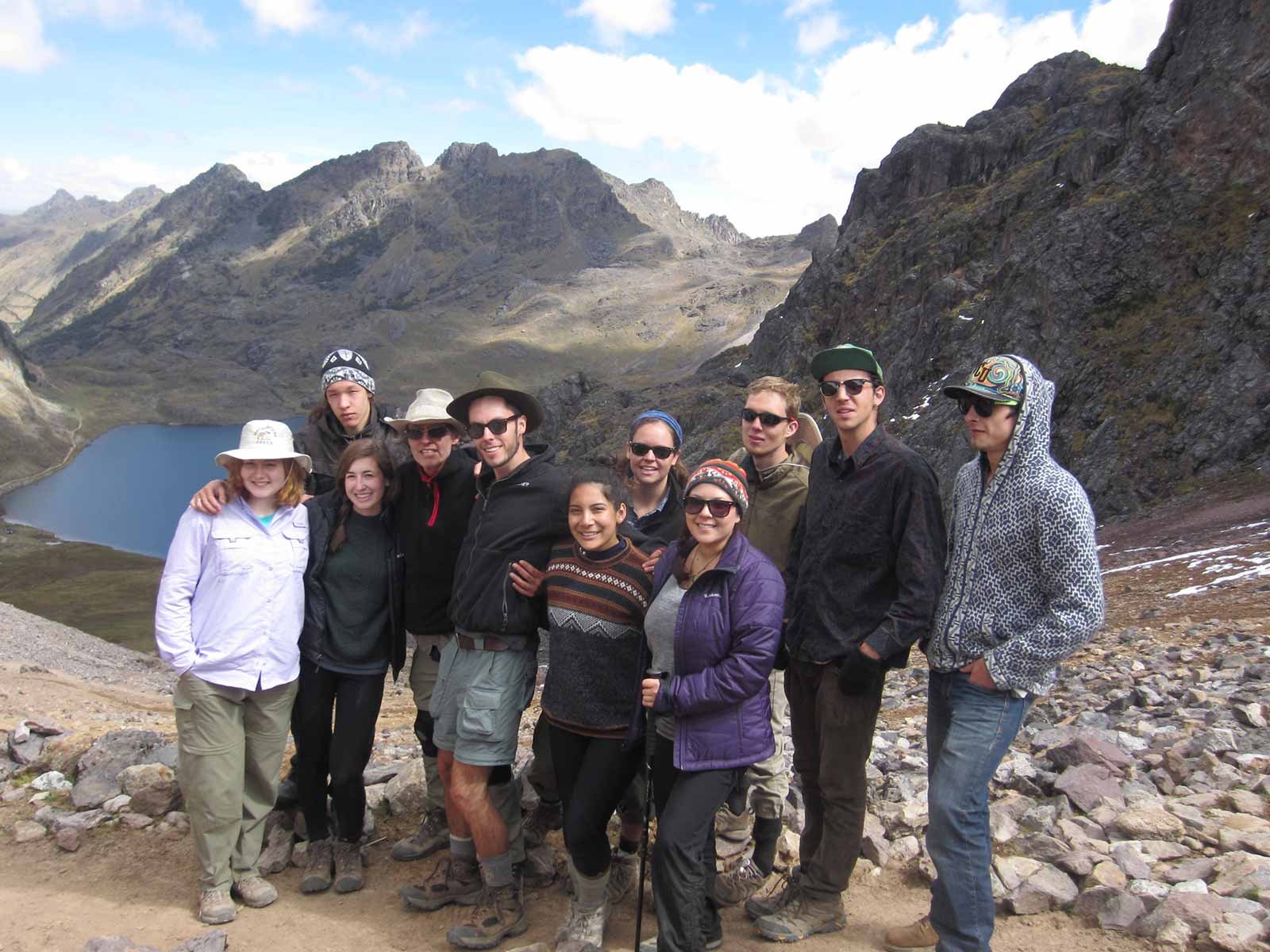
After a delicious breakfast, we’re all ready to go for day two. It’s a seven-hour hike heading northeast. This is the intense part. We’re going to hit the highest point of the whole trek, the Pachacutec Pass, which is way up at 4,500 m (14,800 ft). You just have to give yourself a big pat on the back when you make it up there. The feeling of getting to the top, it’s so exhilarating. The views are unbelievable—glaciers, lakes, alpaca herds, rugged valleys… everything. Keep an eye on the sky, too, for Caracara Falcons and Andean Geese.
After the summit, we’ll head down for about three hours. Our path takes us on this secluded trail, and you’ll see indigenous highland people in their traditional outfits. They’re out there with their llamas and alpacas. This is so cool; the local people are so welcoming. They’ll talk to you in Quechua, their native language. Our guide will be right there to translate and even teach you a few words. It’s a really special part of the journey.
We’re almost there when we get to the amazing seven waterfalls. After that, we’re at our destination, the Quiswarani community (3,700 m / 12,139 ft). From there, we take a two-hour ride to Ollantaytambo, then a train to Aguas Calientes, where we spend the night at a hotel. Finally, a bed after all that trekking! The hotel is a 3-star place called Hotel Ferre’ Machu Picchu.
This is it! The day you’ve been waiting for. We get up for an early breakfast at the hotel, then hop on one of the very first buses up to Machu Picchu (2,430 m / 7,972 ft). The goal is to get there in time to see the sunrise. It’s an absolutely amazing sight, honestly, you really don’t want to miss it. Our guide will then take us on a tour, which lasts for about two hours. We’ll see all the really important parts of the place. You’ll learn how Machu Picchu is split into three main sections: the farming area, the houses, and the religious parts.
So after the tour, if you were one of the people who booked a ticket for the extra hike up Huayna Picchu Mountain, you’ll have time to do that on your own. Once you’ve had enough of the incredible views, we take the bus back down to Aguas Calientes (2,040 m / 6,692 ft). Lunch isn’t included, so that’s on us. Depending on what time our train leaves, we might have some time to walk around, do some shopping, or maybe even check out the museum or the hot springs.
We’ll take the Expedition train back to Ollantaytambo, with departure times at 2:55 p.m. or 3:20 p.m. The whole ride follows the beautiful Urubamba River. The canyon near Aguas Calientes is super narrow, and the river has a lot of nice whitewater sections. If you look up, high on the steep canyon wall, you can even spot Wiñay Wayna from the train! When we get back to Ollantaytambo, our driver will be there waiting for us to take us back to our hotel in Cusco. We should be back around 7:00 p.m.
It is possible to upgrade to the Vistadome Train for $67 USD. You can get that for the same times—2:55 p.m. or 3:20 p.m.—or a bit later, at 4:22 p.m. or 4:43 p.m. If you want an even earlier train, you have to let them know when you book.
First off, they’ve got you covered from the moment you land. There’s a transfer from the airport to your hotel, which you can use whenever you need it. On the day of the trek, a private van will take you from the hotel to the Huaran trailhead (2,900 m / 9,514 ft). When the trek is over, they get you on a round-trip train ticket from Ollantaytambo to Aguas Calientes (2,040 m / 6,692 ft), then the bus to Machu Picchu (2,430 m / 7,972 ft), and a private van will take your group all the way back to Cusco. It’s all sorted.
For accommodations, you get a 3-star hotel with a private bathroom, hot shower, and Wi-Fi. It also includes a buffet breakfast. While we’re on the trail, they give us these super big Eureka Timberline tents, and it’s two people to a four-person tent. You also get a comfy foam mattress. And the food is amazing. I mean, they have a chef! You get delicious gourmet meals for all four days, and they’ll boil water for you to fill up your bottles.
Your guide is a licensed local who speaks great English and is there to help with everything. We have a chef and all the cooking equipment. Plus, there are horsemen with mules to carry all the camping gear and your personal stuff. You can pack up to 7 kg of your items, like extra clothes and your sleeping bag, and the mules will carry it. Oh, and for safety, they have a first-aid kit with an oxygen tank. There’s also an emergency horse in case someone gets sick, just to make sure everyone can finish the trek.
They even give you a rain cover for your backpack. And one of the best parts is getting to hang out with local kids and people from the communities we pass through. It’s really special.
You might not have everything you need, and that’s okay. They have a really nice, clean sleeping bag you can rent for $20 USD. It’s super warm. An air mattress is also available, those are the Therm-a-rest brand, for $20 USD. I also think I’ll get a pair of hiking poles; they’re professional, extendable ones, and it’s only $15 USD for the pair. If you’re a solo traveler, you can also rent your own tent for an extra $30 USD.
If you want to hike Huayna Picchu Mountain, that’s an option. It costs $75 per person, but you have to ask for it when you book your trek. The hike is optional and you do it on your own after the main tour of Machu Picchu. If you want a guide for that extra hike, you have to ask ahead of time, but it’ll cost more. You can also upgrade your return train ride to the Vistadome for $67 USD per person. That train leaves for Cusco (Poroy) at 4:43 p.m.
For the last night, you can upgrade your hotel. They have a few options: La Cabaña Hotel is $40 USD per person, Tierra Viva Hotel is $70 USD per person, and El Mapi Hotel is $120 USD per person. If you want to stay another night in Aguas Calientes, that’s possible too, starting at $60 USD, just depends on what hotel and if it’s available. Don’t forget that lunch on the last day in Aguas Calientes isn’t included, and you should bring some cash for tips for the SAM TRAVEL PERU crew—the guide, cook, and porters
| Number of persons | Price per person | |
| 1 | $380.00 | Inquire Now |
| Number of persons | Price per person | |
| 2 Persons | $ USD 450.00 | Inquire Now |
| 3 Persons | $ USD 430.00 | Inquire Now |
| 4 Persons | $ USD 400.00 | Inquire Now |
| 5 Persons or more | $ USD 380.00 | Inquire Now |
Thank you for your interest in having an adventure travel experience in Peru operated by Apu Salkantay Trek. Please take a moment to complete our short form so that one of our friendly adventure consultants can provide you with all the information for the best trip of your life in Peru.